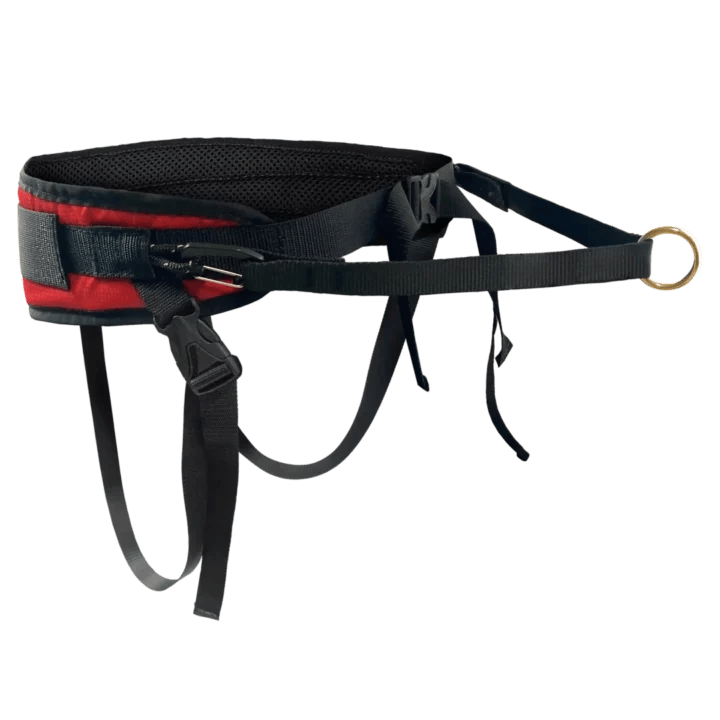
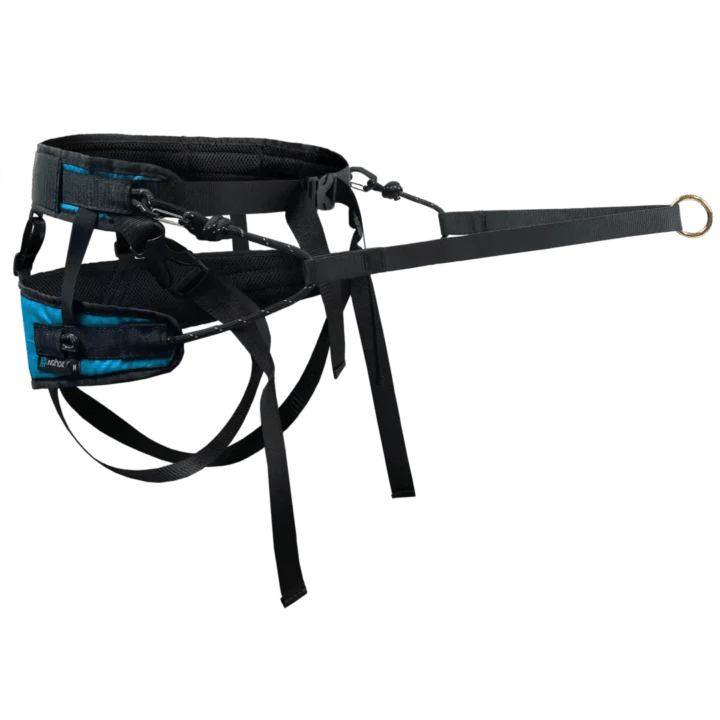
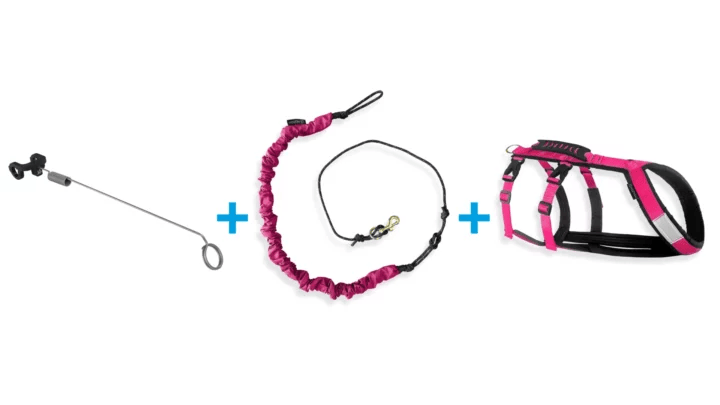
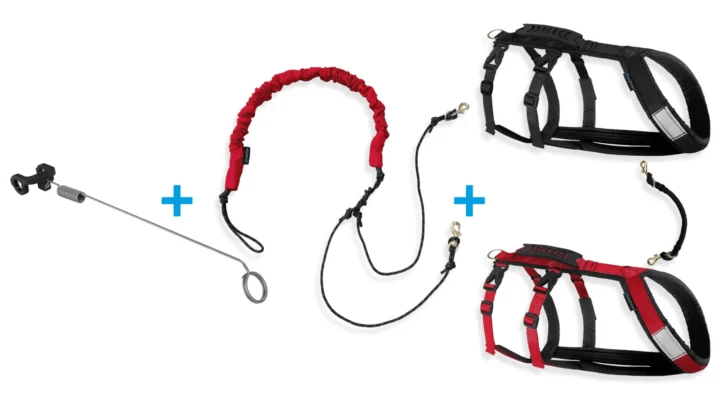
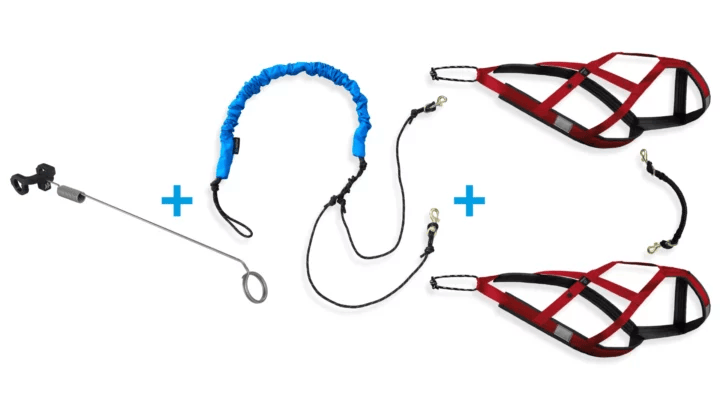
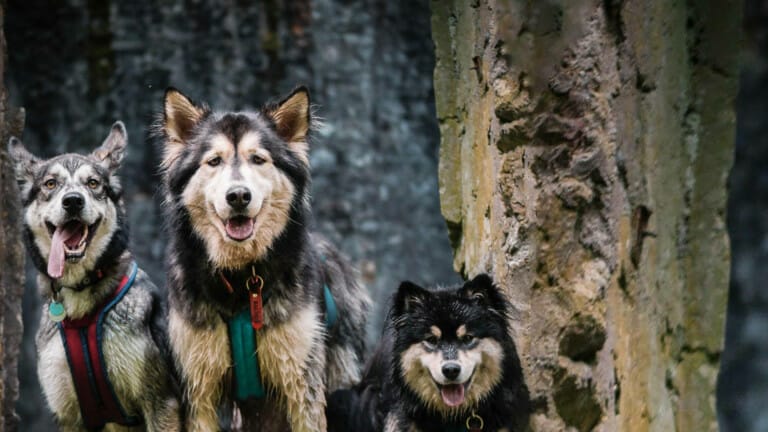
You want to run with your dog, you've done a little digging on the internet and you realize that he needs a dog running harness but have no idea what that entails?
You've come to the right place! In this section, we'll look at the basics of running and explain what makes a good dog running harness.
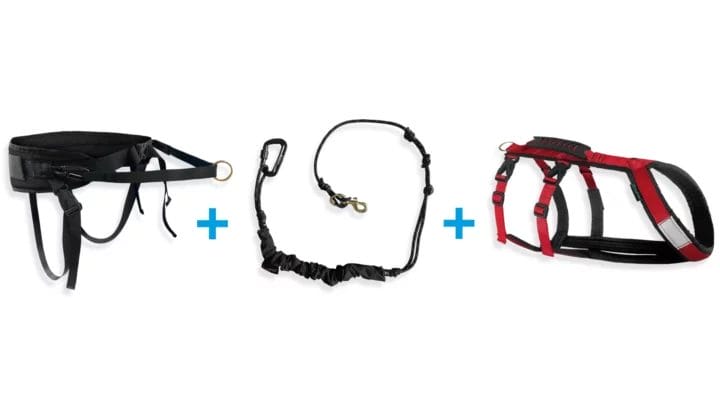
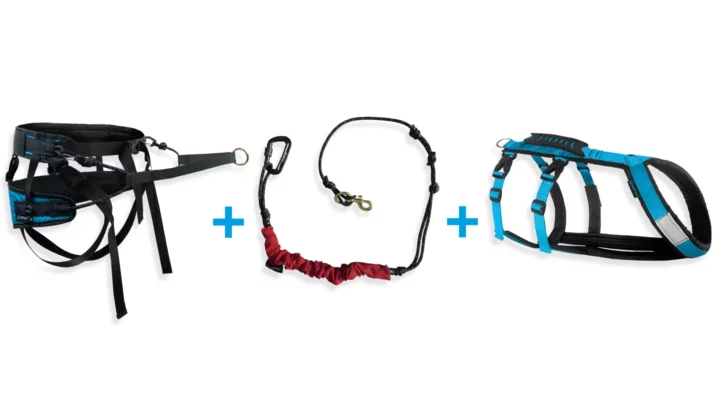
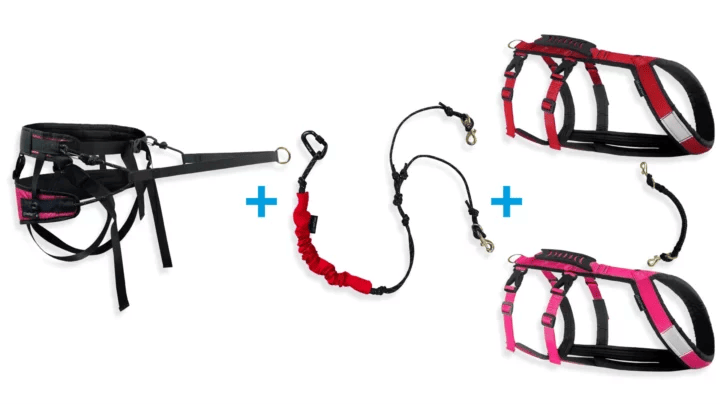
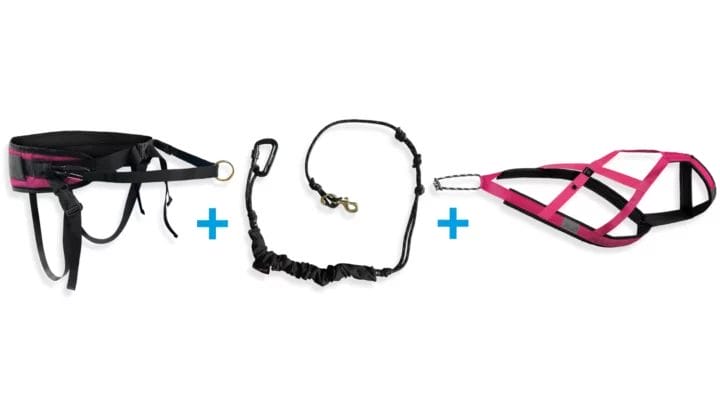
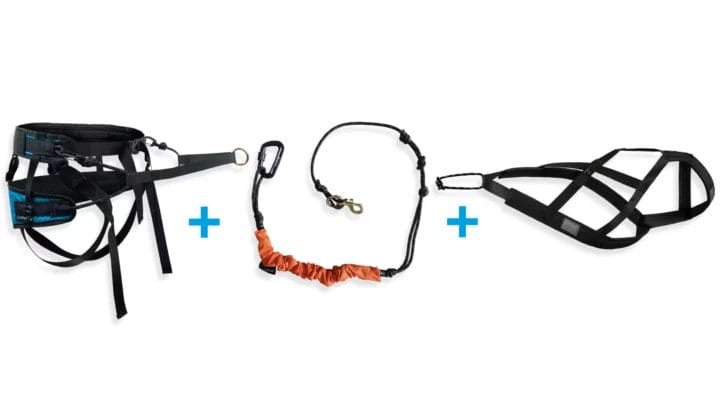
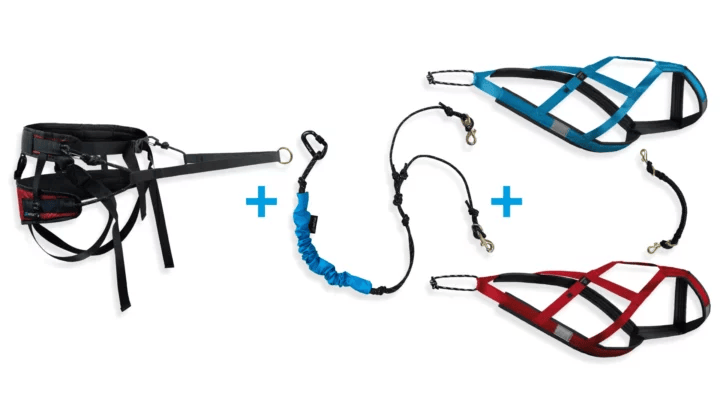
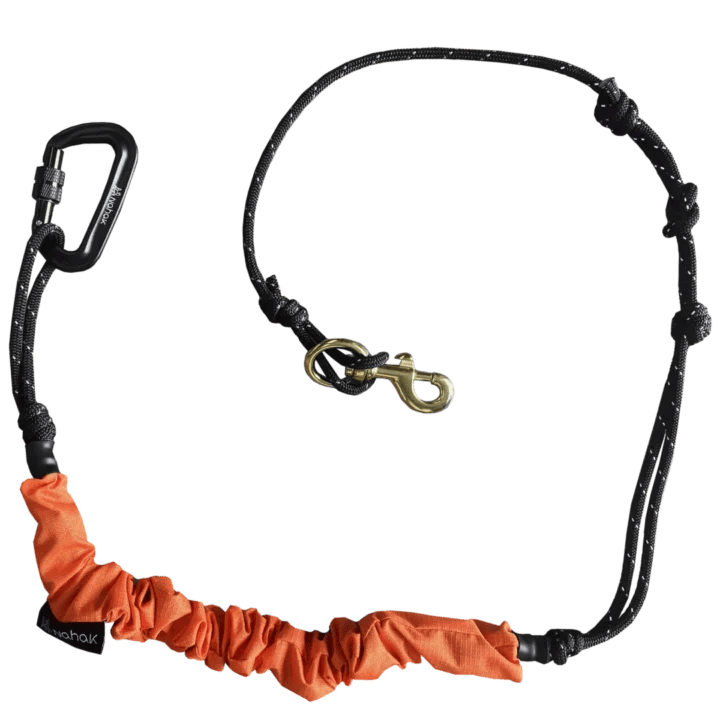
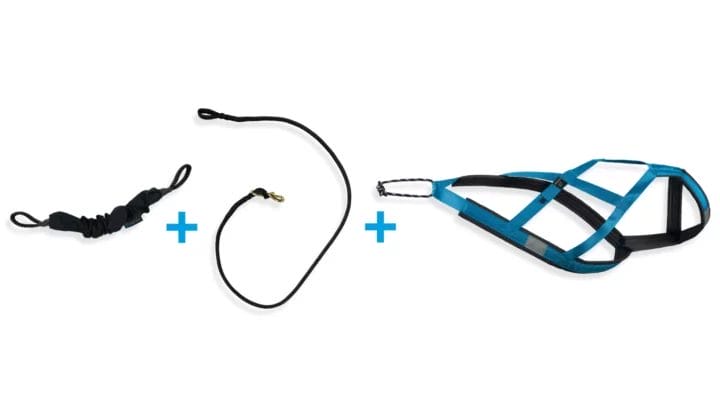
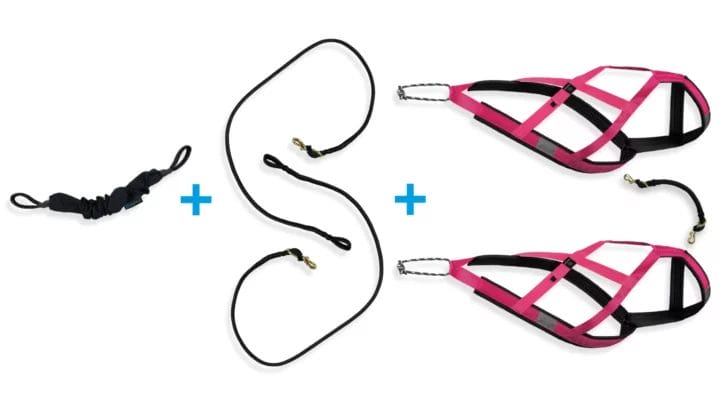
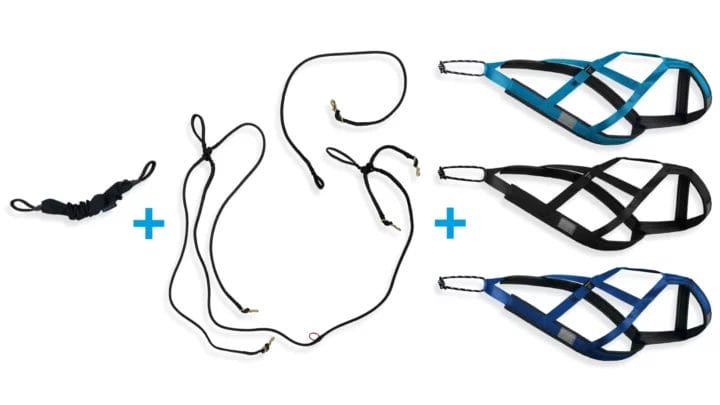
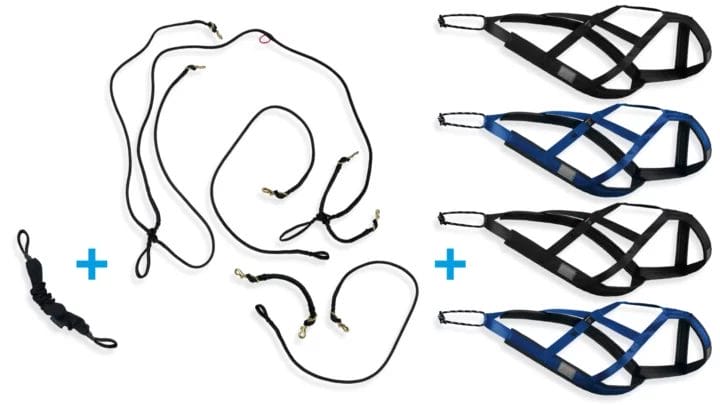
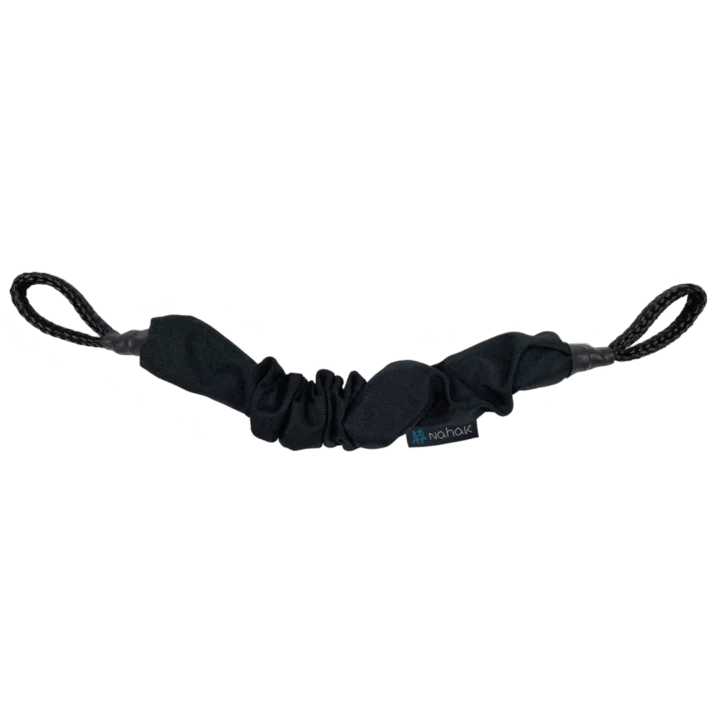
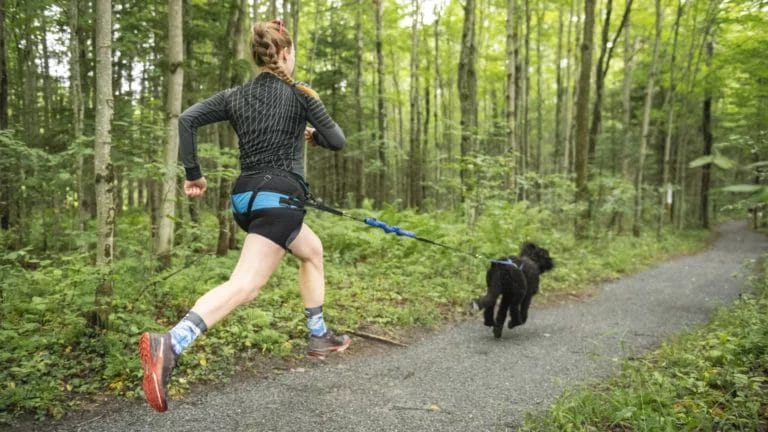
In the world of harness dog sports, running with your dog at the front is a discipline commonly known as canicross (If your feet no longer touch the ground, it's no longer called canicross, but rather canivol). The principle of canicross is simple: your dog is in front of you, equipped with a dog racing harness, and pulls you via a bungee line (which provides shock absorption) attached to your canicross belt.
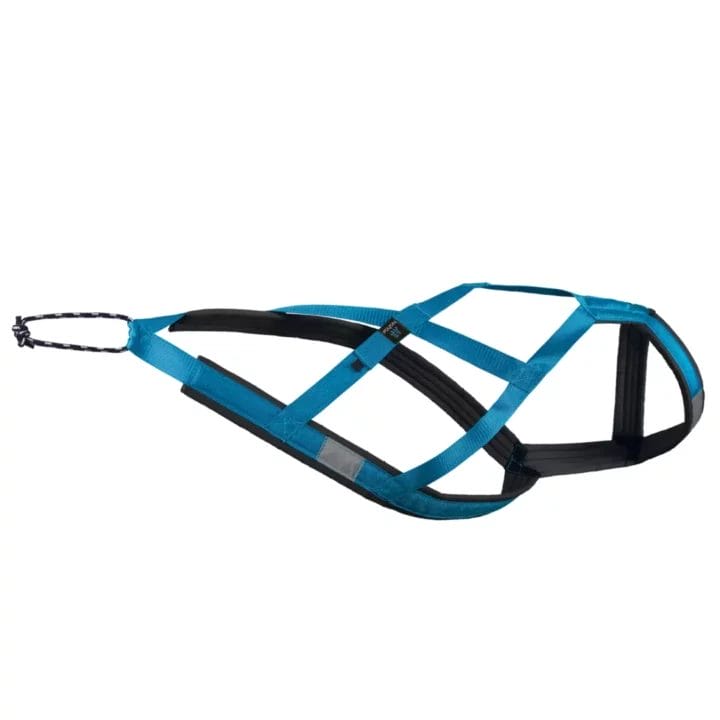
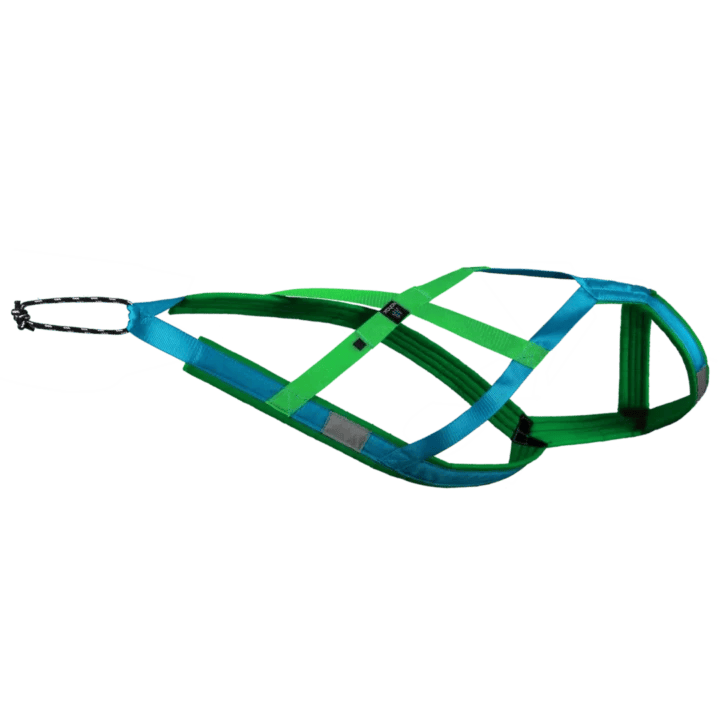
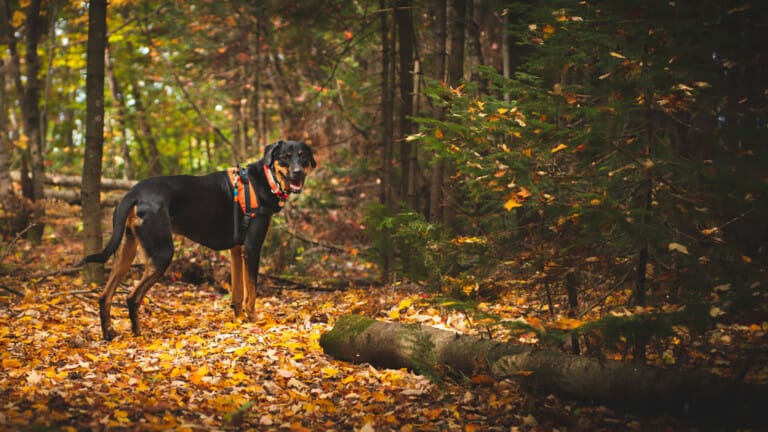
Your dog uses his harness to pull you along. The harness he wears during a canicross session therefore exerts pressure all over your dog's body. So it's imperative that the dog racing harness you select respects your dog's morphology by freeing up certain critical areas. If we analyze the dog's body from front to back, first and foremost, the harness must exert no pressure on his throat/trachea, so as not to impede his breathing when he pulls on the harness. Then, the harness must absolutely free your four-legged athlete's shoulders.
Why?
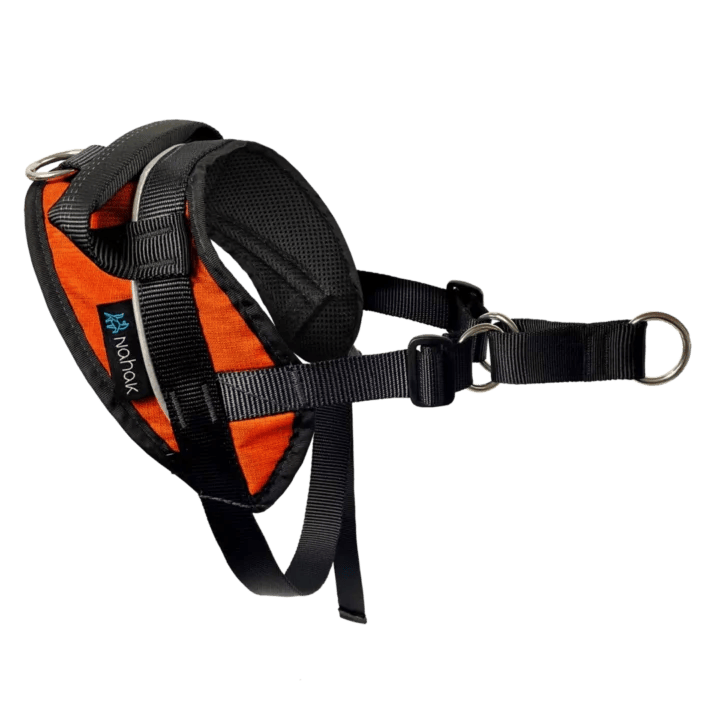
Because when your dog pulls, if you don't consider his legs, it's one of the most mobile parts of his body. Look at your dog's shoulders when he's trotting or running, and you'll notice the amplitude of movement in this area and all the muscles that are solicited. That's exactly why a dog running harness should have a design that frees up this area. At Nahak Sports, we've gone one step further by adding a back strap (just past the dog's neck) to our dog pulling harness which allows to release even more the solicited area by freeing the shoulder blades for maximum mobility (unlike the majority of dog pulling harness on the market that pass directly over this zone). In this context, any use of a front clip dog harness is to be avoided, as it blocks all or part of the dog's shoulders, depending on the model.
After the neck and shoulders, make sure the harness doesn't create pressure on the dog's flanks (the soft part where most of the dog's organs are). The dog racing harness must therefore be well supported by the rib cage edge. Finally, it must release the rear thighs, which are also a moving part when the dog pulls.
As an added bonus, our dog traction harnesses are fully padded around the dog's neck, torso and sides. The thickness of the padding used is adapted to the different areas of the harness (thicker in the neck and torso, where most pressure is applied).
For our traction harnesses, we use closed-cell foam (lightweight and non-absorbent of water) covered with a waterproof fabric with a near-zero abrasion coefficient, which is one of the reasons why our harnesses are so popular both professionally and recreationally.
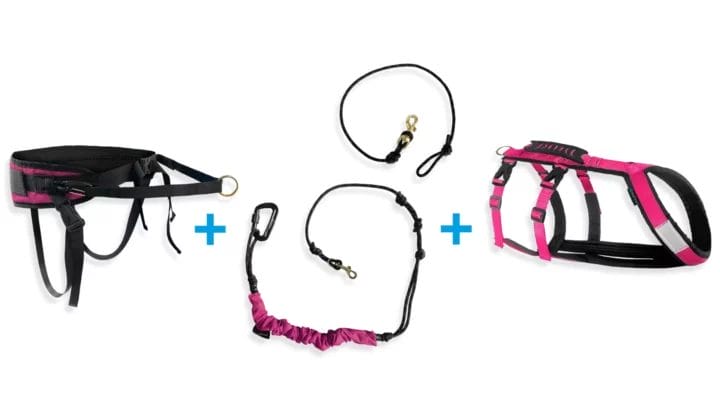
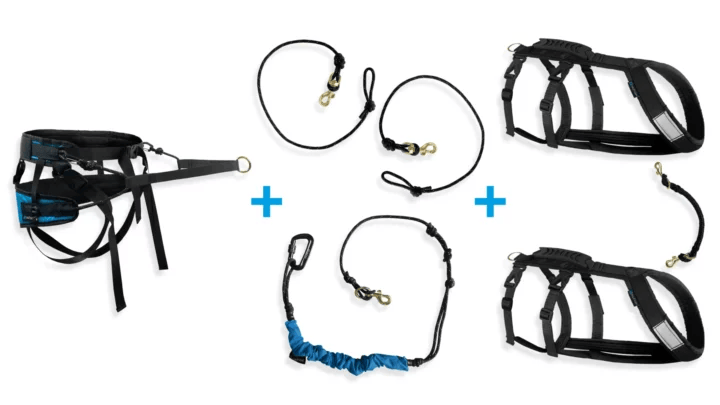
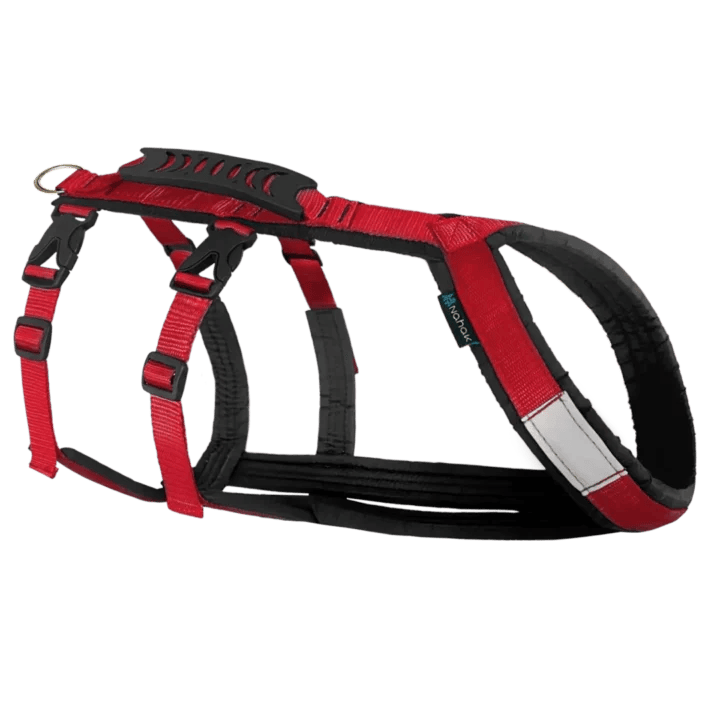
If your dog is of small breed (less than thirty pounds), our small dogs harness will be just the thing for canicross. Although it's shorter than our dog pulling harness (for larger breeds), it meets all the essential points mentioned above and is just as well padded.
The two harness models presented above are available in several sizes, so you can find the perfect fit for your pooch. They are also suitable for many other harnessed dog sports disciplines (only restriction: harness for small dog is not suitable for the kicksledding and dog sledding given its dorsal attachment).
Discover our traction harnesses
New
Add to cart
This product has multiple variants. The options may be chosen on the product page
You want to run with your dog, you've done a little digging on the internet and you realize that he needs a dog running harness but have no idea what that entails?
You've come to the right place! In this section, we'll look at the basics of running and explain what makes a good dog running harness.
In the world of harness dog sports, running with your dog at the front is a discipline commonly known as canicross (If your feet no longer touch the ground, it's no longer called canicross, but rather canivol). The principle of canicross is simple: your dog is in front of you, equipped with a dog racing harness, and pulls you via a bungee line (which provides shock absorption) attached to your canicross belt.
Your dog uses his harness to pull you along. The harness he wears during a canicross session therefore exerts pressure all over your dog's body. So it's imperative that the dog racing harness you select respects your dog's morphology by freeing up certain critical areas. If we analyze the dog's body from front to back, first and foremost, the harness must exert no pressure on his throat/trachea, so as not to impede his breathing when he pulls on the harness. Then, the harness must absolutely free your four-legged athlete's shoulders.
Why ?
Because when your dog pulls, if you don't consider his legs, it's one of the most mobile parts of his body. Look at your dog's shoulders when he's trotting or running, and you'll notice the amplitude of movement in this area and all the muscles that are solicited. That's exactly why a dog running harness should have a design that frees up this area. At Nahak Sports, we've gone one step further by adding a back strap (just past the dog's neck) to our dog pulling harness which allows to release even more the solicited area by freeing the shoulder blades for maximum mobility (unlike the majority of dog pulling harness on the market that pass directly over this zone). In this context, any use of a front clip dog harness is to be avoided, as it blocks all or part of the dog's shoulders, depending on the model.
After the neck and shoulders, make sure the harness doesn't create pressure on the dog's flanks (the soft part where most of the dog's organs are). The dog racing harness must therefore be well supported by the rib cage edge. Finally, it must release the rear thighs, which are also a moving part when the dog pulls.
As an added bonus, our dog traction harnesses are fully padded around the dog's neck, torso and sides. The thickness of the padding used is adapted to the different areas of the harness (thicker in the neck and torso, where most pressure is applied).
For our traction harnesses, we use closed-cell foam (lightweight and non-absorbent of water) covered with a waterproof fabric with a near-zero abrasion coefficient, which is one of the reasons why our harnesses are so popular both professionally and recreationally.
If your dog is of small breed (less than thirty pounds), our small dogs harness will be just the thing for canicross. Although it's shorter than our dog pulling harness (for larger breeds), it meets all the essential points mentioned above and is just as well padded.
The two harness models presented above are available in several sizes, so you can find the perfect fit for your pooch. They are also suitable for many other harnessed dog sports disciplines (only restriction: harness for small dog is not suitable for the kicksledding and dog sledding given its dorsal attachment).
 Proudly made in Canada
 Proudly made in Canada


 Plastic buckle2.99$












 Multifunctional belt64.99$
 Hybrid traction belt94.99$
 Hybrid traction belt | PIGMA109.99$• P I G M A •







 Bikejoring antenna99.99$
 Base (alone)69.99$

 Spacers9.99$

 Multisport bungee line49.99$
 Bikejoring bungee line 49.99$












 Tugline12.99$

 No pull dog harness64.99$
 Hybrid dog harness79.99$
 Dog pulling harness74.99$
 Dog pulling harness | PIGMA89.99$• P I G M A •
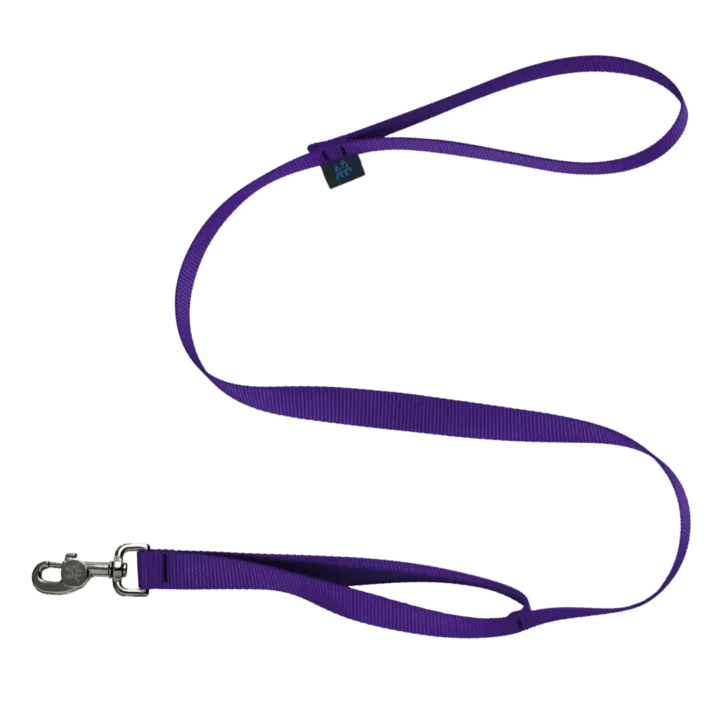
 Dog leash24.99$
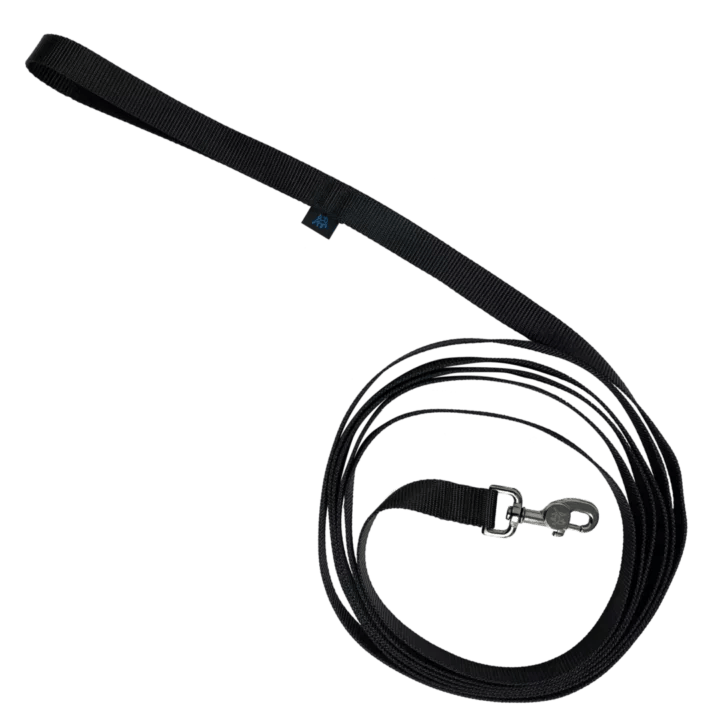
 Dog leash | Double handles29.99$
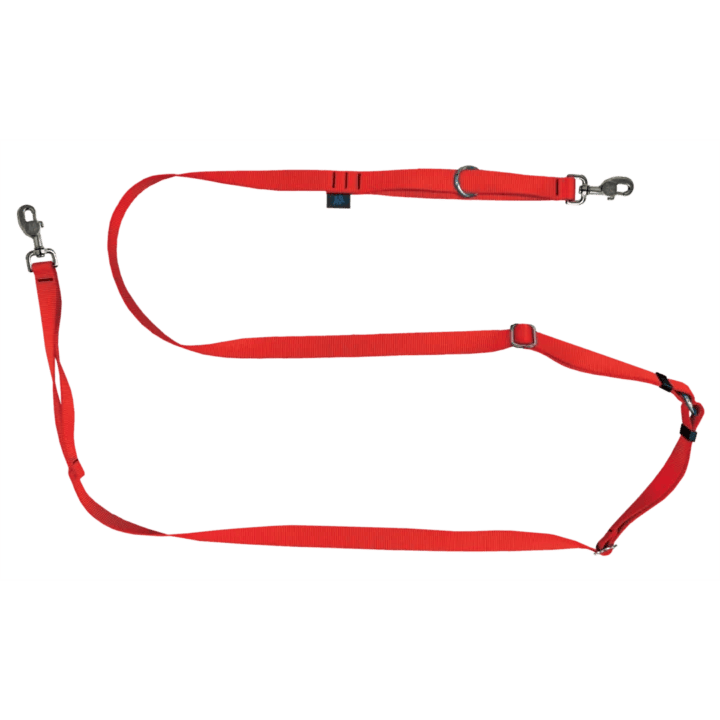
 Dog leash | Multifunctional39.99$


 Dog collar | Harness sports 19.99$
 Dog collar | Buckle 24.99$
 Dog collar | Reflective 29.99$
 Neckline14.99$
 Dog boot | Snowy surface5.49$

 Dog boot | Dirt surface5.49$
 Gift certificate50.00$
 Brass snap5.99$